Tomatos

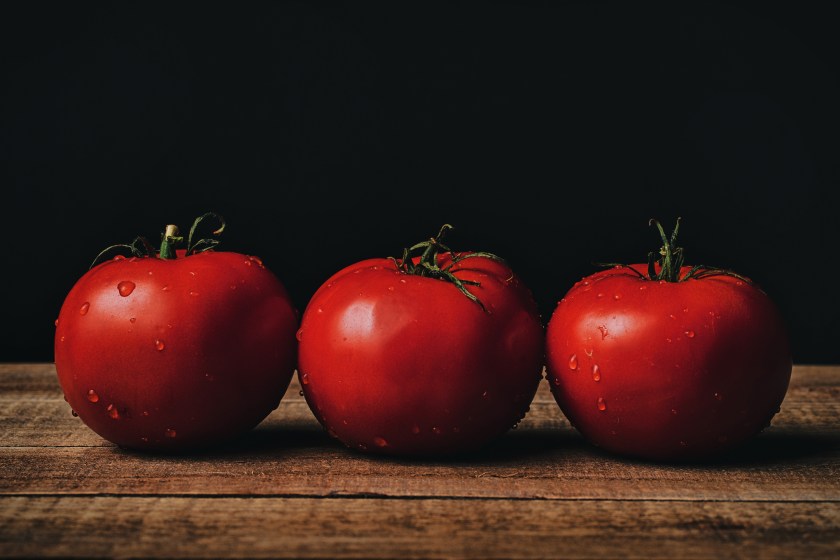
This photographic composition showcases three tomatoes on a textured wooden surface against a dark background, illustrating the themes of light and form in still life art. Using controlled lighting to create a dramatic chiaroscuro effect, the photographer emphasizes the tomatoes’ beauty, merging classical traditions with contemporary techniques.

Tabletop still life of three ripe tomatoes with water droplets on a wooden surface against a dark background.
A tabletop still life of three tomatoes arranged on a wooden surface and lit against a dark background.

In this deceptively simple composition, the photographer demonstrates how the most humble subjects—three tomatoes from a supermarket produce section—can become vehicles for exploring light, form, and the enduring traditions of still life photography. The work sits comfortably within the classical end of Chapter 5’s spectrum, channeling centuries of artistic precedent while employing decidedly contemporary tools and techniques.

The arrangement recalls Dutch Golden Age vanitas paintings, where ordinary kitchen staples were elevated to subjects of profound contemplation. Here, three ripe tomatoes rest upon a weathered wooden surface, their placement casual yet deliberate. The varying positions of their stems—pointing in different directions like botanical compasses—introduce subtle asymmetry that prevents the composition from becoming static. Water droplets cling to the glossy red skin, suggesting recent washing and adding points of light that animate the surface.

His lighting strategy proves crucial to the image’s success. Working with a single Godox V1s flash modified by a softbox and grid, he achieves remarkable control over illumination. The grid attachment narrows the light spread, creating focused illumination that emphasizes the tomatoes while allowing the background to fall into deep, theatrical darkness. This chiaroscuro effect—the dramatic interplay of light and shadow—lends gravitas to subjects that might otherwise seem merely documentary.

The wooden surface provides essential contextual grounding. Its rough texture and visible grain contrast beautifully with the smooth, taut skin of the tomatoes, creating a dialogue between refined organic form and rustic materiality. The warm tones of the aged wood complement the rich reds of the fruit, establishing a harmonious yet varied color palette that feels both earthy and sophisticated.

His post-processing approach through Skylum Luminar 4, utilizing a color LUT (Look-Up Table), demonstrates an efficient workflow that enhances rather than overwhelms the captured image. The color grading deepens the reds toward burgundy in the shadows while maintaining natural highlights, creating dimensionality that draws the eye around each form. This restrained digital intervention respects the photographic integrity of the scene while amplifying its visual impact.

Within the broader trajectory of his still life work, this image represents a return to fundamentals—a meditation on how controlled lighting and thoughtful composition can transform the everyday into the examined. Where other works in this chapter might push toward experimental territories, this photograph anchors itself in proven traditions, demonstrating that innovation need not always mean departure from established visual language.

The Sony A7ii captures these elements with clarity and subtle tonal gradation, rendering the tomatoes with sufficient detail to appreciate their imperfect spherical forms, the slight variations in color saturation, and the delicate green stems that signal recent harvest. These details matter; they prevent the image from becoming abstract or overly stylized, maintaining its connection to the tangible world.

Ultimately, this work succeeds through its quiet confidence. The photographer understands that compelling still life photography requires neither exotic subjects nor complex staging—only patient observation, technical competence, and an appreciation for how light reveals the inherent beauty in forms we too often overlook. These grocery store tomatoes, frozen in this particular moment of light and shadow, become worthy of sustained attention.
Elkins Apple Spiced Liqueur: Vernacular Object as Subject

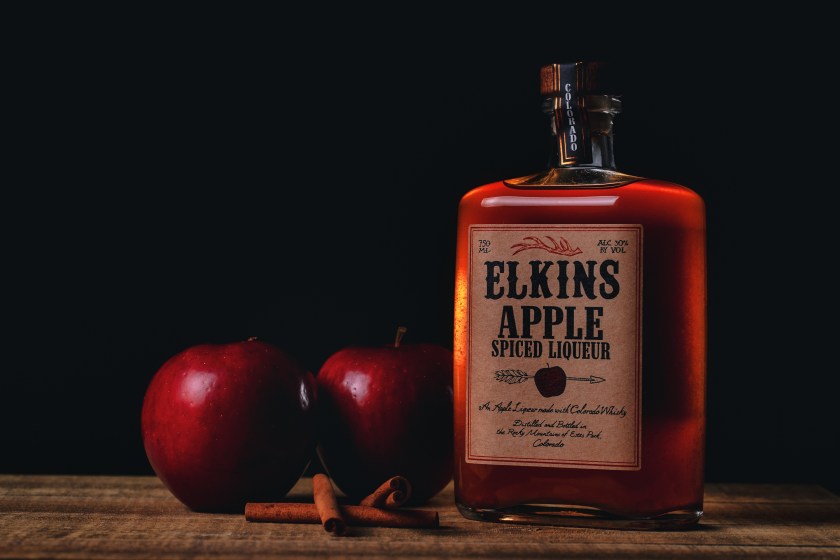
The photograph of Elkins Apple Spiced Liqueur exemplifies a blend of commercial product photography and fine art still life, using classical composition techniques. The arrangement of the bottle with apples and cinnamon sticks highlights flavor context while demonstrating technical skill in lighting and focus. The image showcases an accessible beauty in everyday items, merging artistic intent with commercial appeal.

Bottle of Elkins Apple Spiced Liqueur on a wooden surface with red apples and cinnamon sticks against a dark background.
Elkins Apple Spiced Liqueur is photographed with apples and cinnamon sticks in a studio still life.

This photograph demonstrates the photographer’s engagement with commercial product photography conventions while maintaining artistic intentionality characteristic of fine art still life practice. The composition centers on a bottle of Elkins Apple Spiced Liqueur from Estes Park, Colorado, flanked by red apples and cinnamon sticks—elements that function both as contextual reinforcement of the product’s flavor profile and as formal echoes of color and shape within the frame.

The arrangement follows classical still life principles: objects positioned on a weathered wooden surface against a dark, graduated background that moves from deep black to subtle illumination. This chiaroscuro approach recalls Dutch Golden Age painting traditions, where selective lighting carves form from darkness and imbues everyday objects with weight and presence. The bottle’s amber-red liquid becomes luminous against the void, while the apples emerge from shadow with enough detail to register their texture and mass without competing for primary focus.

Technically, the image reveals deliberate choices in equipment and lighting strategy. Shot with a Sony A7ii and 85mm f/1.8 lens, the photographer employs a focal length typically reserved for portraiture, which compresses space slightly and allows selective focus while maintaining natural perspective. The use of a Godox softbox combined with a secondary flash creates dimensional lighting—the main light source appears positioned to camera right, creating highlights on the bottle’s curved surface and label while the fill light softens shadows without eliminating them entirely. This two-light setup produces the polished yet natural quality that distinguishes professional product photography from amateur attempts.

The label itself becomes a compositional element worth examining. Its vintage-inspired design, complete with wheat motif and hand-drawn typography, speaks to contemporary craft distillery aesthetics that reference historical authenticity. The photographer allows this graphic element full legibility, understanding that typography and branding function as visual information within the frame. The cork cap with its branded sleeve adds vertical interest and completes the bottle’s narrative as an artisanal product.

Within Chapter 5’s spectrum from classic to experimental still life, this work occupies the classical end—a straightforward, beautifully executed product study that prioritizes clarity, atmosphere, and material fidelity over conceptual disruption. Yet the photographer’s decision to include this image in his top 100 suggests recognition that mastery of foundational approaches remains essential even as one pushes toward experimental territories. The work demonstrates technical competence: precise focus, appropriate depth of field, balanced exposure across a challenging tonal range, and color palette that feels both rich and naturalistic.

The supporting elements—grocery store apples and cinnamon sticks—ground the image in accessible reality rather than aspirational luxury. This democratic approach to sourcing props reflects contemporary still life practice that finds beauty in the everyday rather than the exotic. The wooden surface, likely the photographer’s own workspace, bears authentic wear that reads as character rather than distress.

Post-processing in Luminar 4 appears restrained, enhancing rather than transforming the captured scene. The final image possesses the polish of commercial work while retaining the considered composition and atmospheric quality that elevates it to fine art documentation of material culture and regional craft production.

Portrait Slam 2024

Portrait Slam 2024 features Frank Graziano posed on a vintage railroad car, showcasing a blend of environmental portraiture and technical skill. The composition balances subject and setting, using light and shadow effectively. This portrait reflects the photographer’s evolution, integrating contemporary styling with Americana themes, and highlights a confident approach to on-location shooting.

Man wearing a hat stands on the side steps of a black railroad car, looking to the side.
Frank Graziano poses on a railroad car at the Colorado Railroad Museum in Golden, Colorado.

The photographer captures Frank Graziano in a moment of studied nonchalance, balanced on the step of a vintage railroad car against the industrial textures of riveted steel and weathered paint. This image, created during Portrait Slam 2024 at the Colorado Railroad Museum, exemplifies the photographer’s growing confidence in environmental portraiture—a technical and conceptual evolution clearly marked within Chapter 4 of his Top 100 Journey project.

What immediately distinguishes this portrait is its sophisticated balance between subject and setting. The railroad car’s dark, rivet-studded surface creates a powerful geometric frame, yet never overwhelms Graziano’s presence. The model’s positioning—one foot planted on the step, the other casually lifted, holding a vertical rail—demonstrates a dynamic use of diagonal lines that pulls the viewer’s eye through the composition. His cowboy hat and leather jacket evoke classic Americana, while the contemporary styling prevents the image from slipping into pastiche or nostalgia.

The photographer’s technical execution reveals careful consideration of light and shadow. The overcast sky provides even, diffused illumination that preserves detail across both the subject’s face and the textured metal surface behind him. This soft light wraps around Graziano’s features, creating subtle modeling without harsh shadows—a particularly important choice given the industrial setting’s potential to create competing visual elements. The muted color palette of charcoal grays, weathered browns, and faded blacks creates tonal harmony while allowing the warm leather tones of the hat to serve as a visual anchor.

Within the context of Chapter 4—Portraits Studio, Outdoor & Workshop Work—this image demonstrates the photographer’s ability to synthesize controlled studio techniques with the spontaneity of location work. Workshop environments often push photographers beyond their comfort zones, and this portrait suggests someone working confidently with both the challenges and opportunities of on-location shooting. The inclusion of the “KEEP OFF” text, partially visible in the frame, adds an element of subtle irony: the subject occupies precisely the forbidden space, transforming restriction into creative possibility.

The railroad setting serves as more than mere backdrop. It functions as visual metaphor—the convergence of journey, transit, and transitional spaces that resonates with the photographer’s larger Top 100 Journey project. The industrial heritage embedded in the railroad car’s weathered surface speaks to American mythology and masculine archetypes, themes Graziano’s styling deliberately engages while maintaining contemporary relevance.

From a curatorial perspective, this photograph marks a maturation in the photographer’s approach to environmental portraiture. Earlier works in his portfolio occasionally struggled with the balance between subject and location; here, both elements coexist in productive tension. The composition’s structured geometry—the vertical rails, horizontal platform, the rectangular frames within frames—creates order without rigidity, allowing Graziano’s natural pose to feel both choreographed and spontaneous.

The image’s inclusion in the Top 100 Journey project reflects its successful synthesis of technical skill, conceptual clarity, and visual impact. It demonstrates how workshop environments can push photographers toward their strongest work, combining the pressure of limited time with the inspiration of new locations and collaborative energy. The result is a portrait that honors both its subject and its setting, creating a narrative that extends beyond the single frozen moment into broader considerations of place, identity, and American visual mythology.